Industry Insights
Key Parameters in Smart Water Quality Monitoring
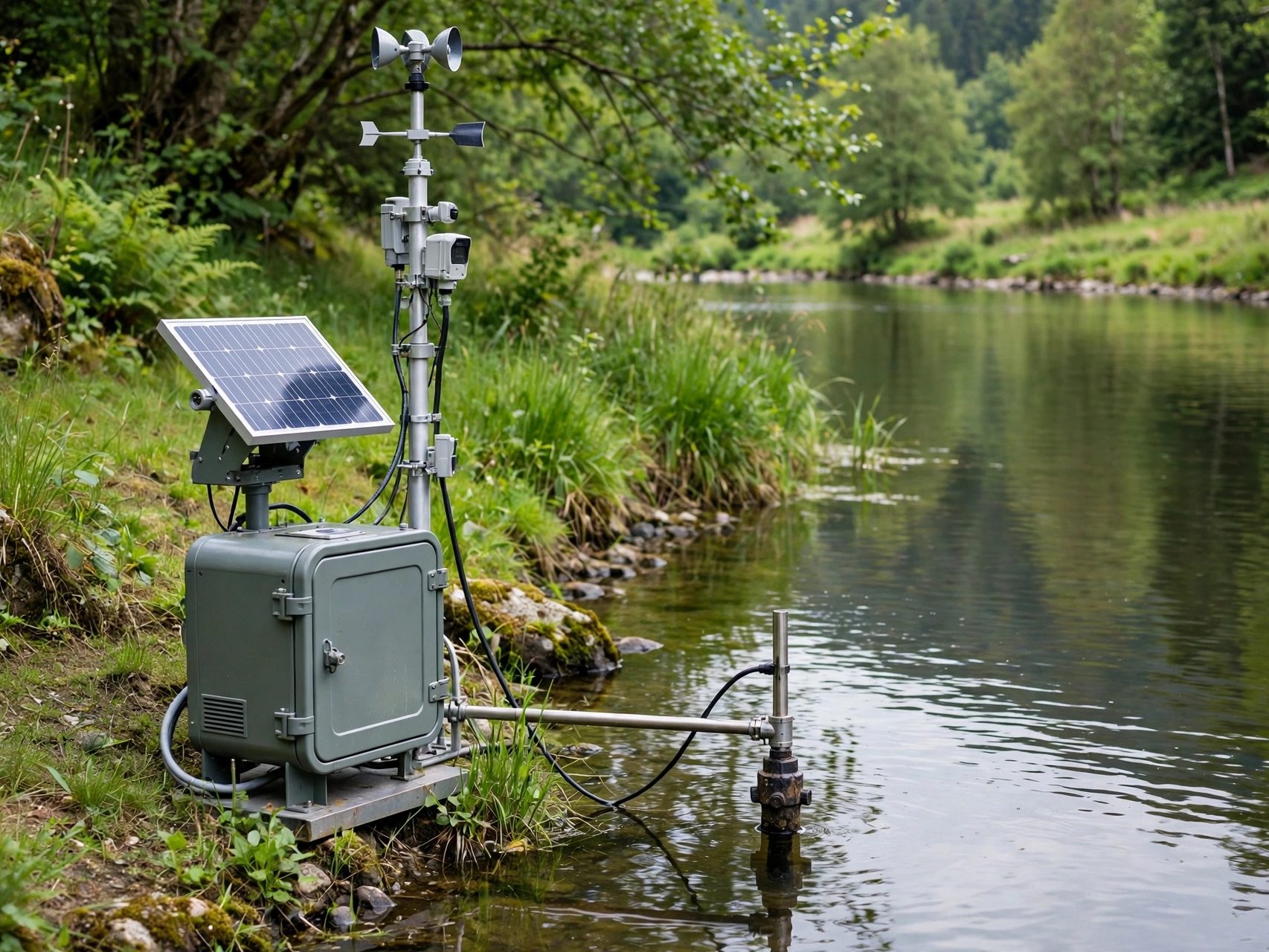
A smart water monitoring network is only as useful as the parameters it measures. Choosing the right set depends on the water body, the pollution sources, and the decisions the data must support, but a core group of parameters appears in almost every deployment.
dissolved oxygen is the single most informative indicator of a water body's health. Low readings signal organic pollution or algal decay; sustained depletion leads to fish kills and the release of nutrients from sediments. pH affects the toxicity of ammonia and metals, while conductivity provides a quick proxy for dissolved salts and can reveal wastewater or industrial intrusions.
Turbidity tracks suspended particles from runoff, construction, or resuspended sediment, and it directly affects disinfection efficiency in treatment contexts. Nutrient parameters, ammonia, nitrate, and phosphate, complete the picture for eutrophication risk. Flow or level data is equally important, since concentrations without discharge volumes cannot be converted into the pollutant loads that drive management decisions.
Beyond the parameter list, data quality determines value. Sensors drift and foul; without a calibration and maintenance regime, a network produces numbers that look precise but mislead. The best monitoring programmes pair instrumentation with clear protocols and a platform that turns raw readings into alerts, trends, and reports operators actually use.