
Dhanmondi Lake
Urban Water & Environmental Restoration, Dhaka, Bangladesh.
Project Overview
Project Overview
Selected project: Dhanmondi Lake, an urban water body in Dhaka, Bangladesh, presented here as a focus of urban water environment and environmental restoration. Urban lakes in dense cities face sustained pressure from surrounding development, and Dhanmondi Lake represents the kind of water environment where restoration approaches are most relevant.
This project page brings together the lake's environmental context, the typical challenges of urban water bodies, and the restoration approaches applicable to improving water quality and ecological health in such settings.
Environmental Context
Environmental Context
Dhanmondi Lake sits within one of Dhaka's most established residential areas, an urban water body surrounded by dense development, roads and public space. Like many city lakes, it receives the pressures of its catchment: stormwater runoff, sediment, and the everyday loadings of a busy neighbourhood.
Urban lakes of this kind play an outsized role in city life, as drainage buffers, microclimate regulators and public amenity, which makes their environmental condition a matter of direct public interest.
Engineering Challenge
Engineering Challenge
Urban water bodies such as Dhanmondi Lake commonly face challenges including nutrient enrichment, sediment accumulation, reduced dissolved oxygen, and pressure from surrounding urban runoff. Addressing these challenges requires understanding the lake's inflows, internal loading, and surrounding land use.
Project Scope
What Restoration Involves
Project Scope
Diagnosis
Mapping inflows, nutrient budgets, sediment quality and the biological community, establishing what is actually driving degradation.
Source Control
Reducing pollutant inflows from the surrounding catchment before treating the lake itself.
In-Lake Intervention
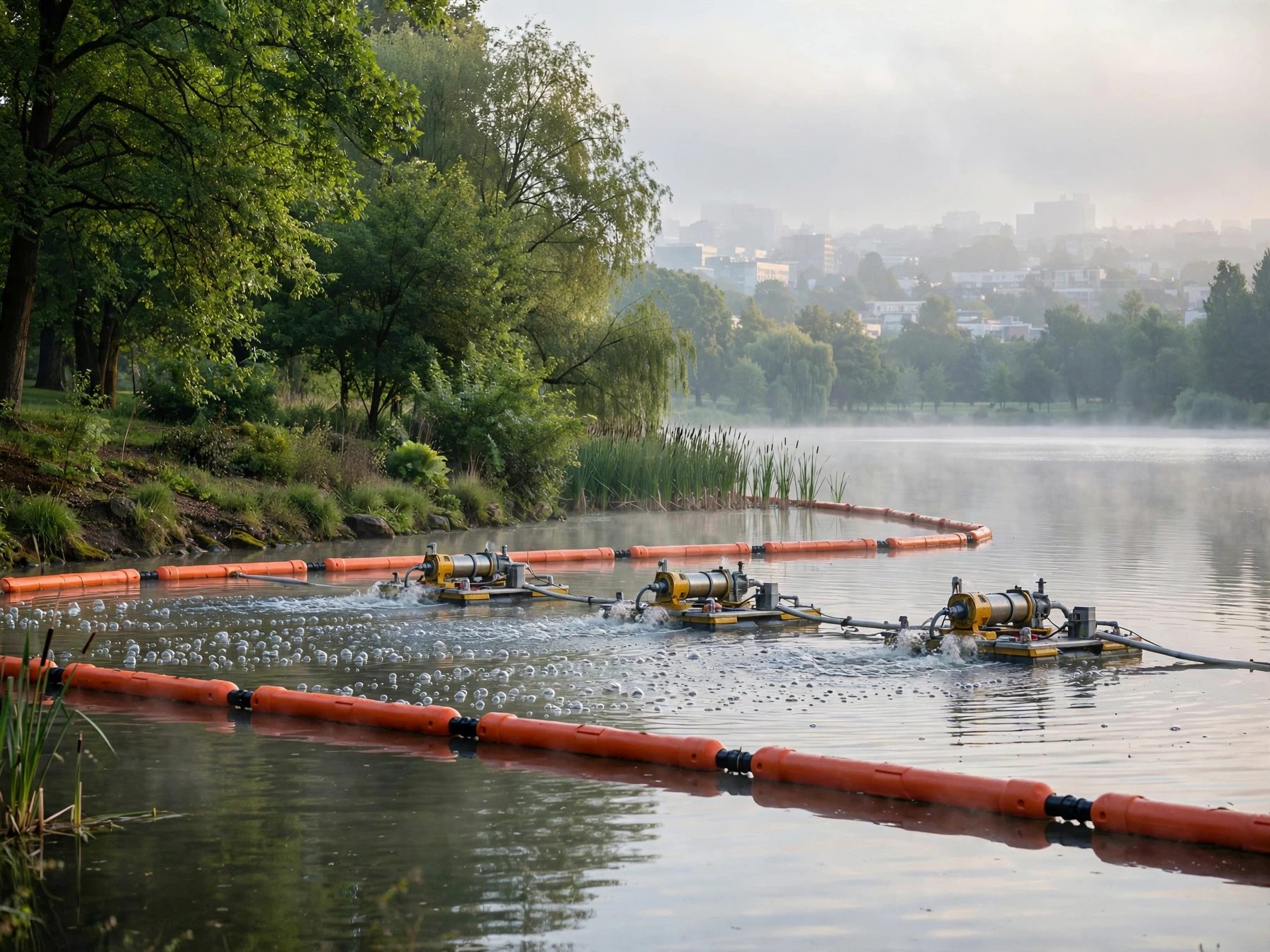
Measures such as aeration, sediment management and aquatic habitat recovery, selected for the diagnosed conditions.
Restoration Approach
Restoration Approach
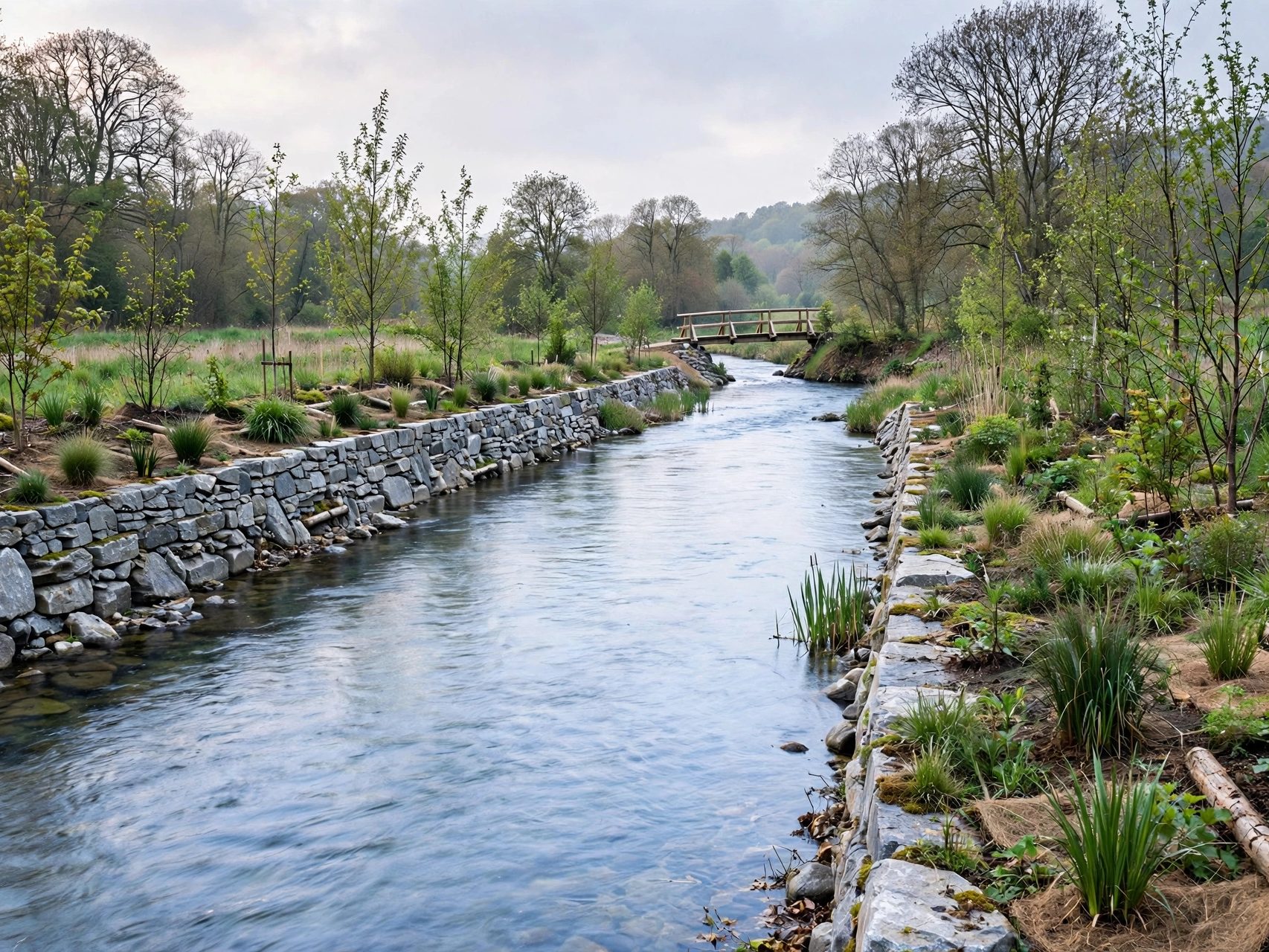
Lake restoration generally follows a sequence of diagnosis, source control, and in-lake intervention. For an urban lake, this means studying water quality and sediment conditions, reducing pollutant inflows, and applying measures such as aeration, sediment management, and aquatic habitat recovery as appropriate.
Technology
Relevant techniques for urban lake environments include water quality monitoring, nutrient load assessment, sediment characterisation, and ecological restoration measures. Technology selection follows the findings of site-specific study.
Environmental Impact
Environmental Impact
Restoration of urban lakes contributes to improved water quality, recovered aquatic habitat, and a healthier public water environment for the surrounding community.
Gallery
Project Gallery
Project Gallery
Interested in Urban Water Restoration?
Talk to our engineering team about lake and urban water environments.
Get in Touch