Sustainability
Constructed Wetlands in Urban Water Management
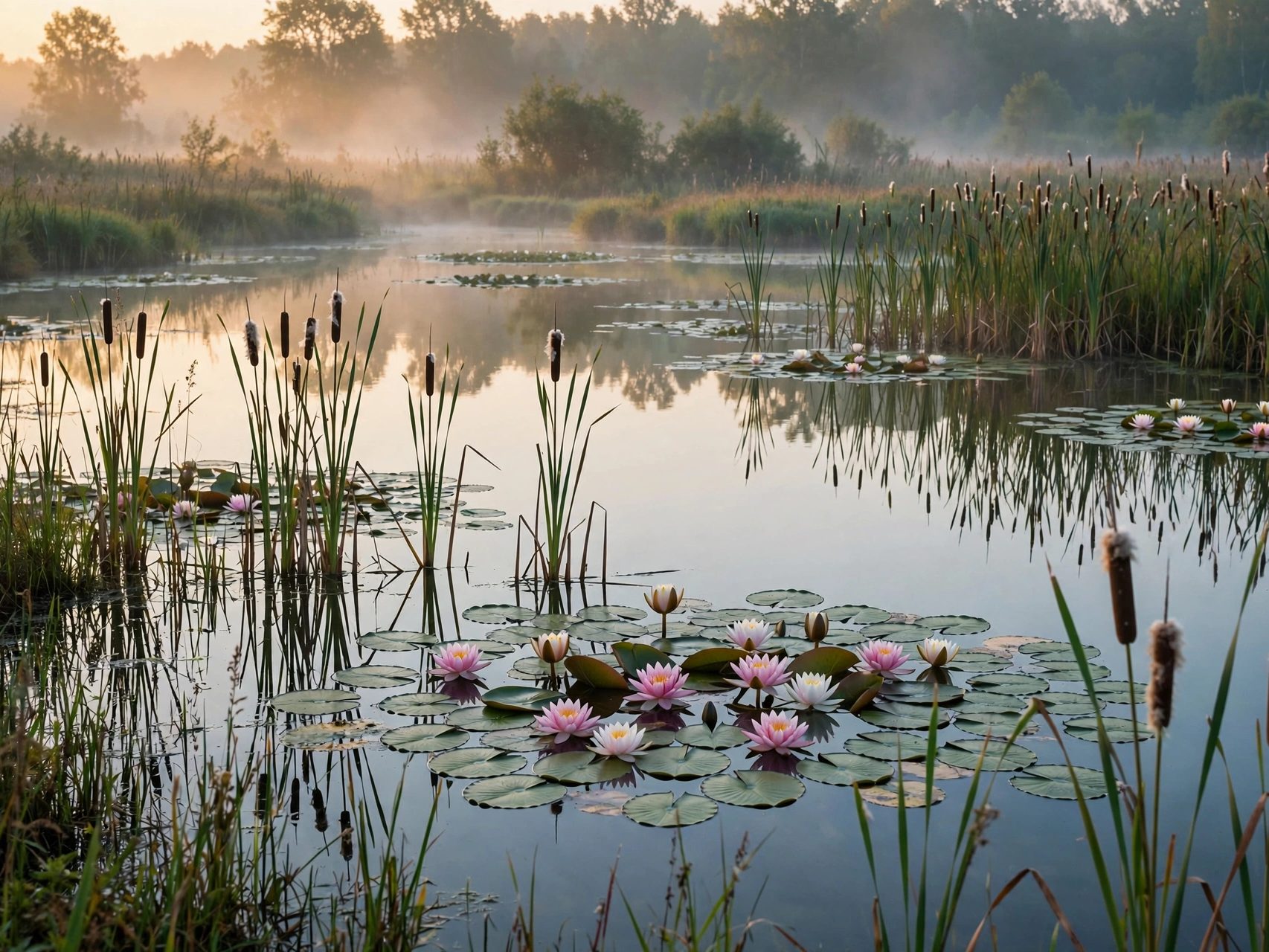
Constructed wetlands are engineered systems that replicate the treatment functions of natural wetlands: as water flows slowly through planted gravel or soil media, physical filtration, microbial activity, and plant uptake remove suspended solids, organic matter, and nutrients.
In urban settings they serve a dual role. Placed downstream of stormwater outfalls or as a polishing step after conventional treatment, they improve water quality before it reaches rivers and lakes. At the same time they function as public green space, habitat for birds and insects, and a visible piece of blue-green infrastructure that communities value.
Design matters. Hydraulic loading rates, media selection, plant species, and inlet distribution all determine whether a wetland performs or becomes a mosquito-breeding pond. Subsurface-flow designs, where water moves below the media surface, minimise odour and vector issues and are often preferred in dense urban areas.
Constructed wetlands will not replace conventional treatment where strict discharge limits apply, but as a complement they offer resilience: low energy use, tolerance of flow variability, and a landscape asset that conventional concrete infrastructure cannot provide.